Urban Computing and Smart Cities
Cities are designed at scales their tools cannot model. This strand investigates the seam between scientific computation and design practice, with most of the work asking how computational outputs become legible enough to act on at urban scale.
Cities are designed at scales their tools cannot model. A single building can be modeled with confidence; a 600-acre master plan, unfolding over decades, exceeds the working tools of any single profession. The decisions that matter most at urban scale — energy, transportation, water, infrastructure investment — interact in ways that demand computation, but the people making those decisions, mostly, are designers and planners whose training has given them a different language. This strand investigates the seam between those languages.
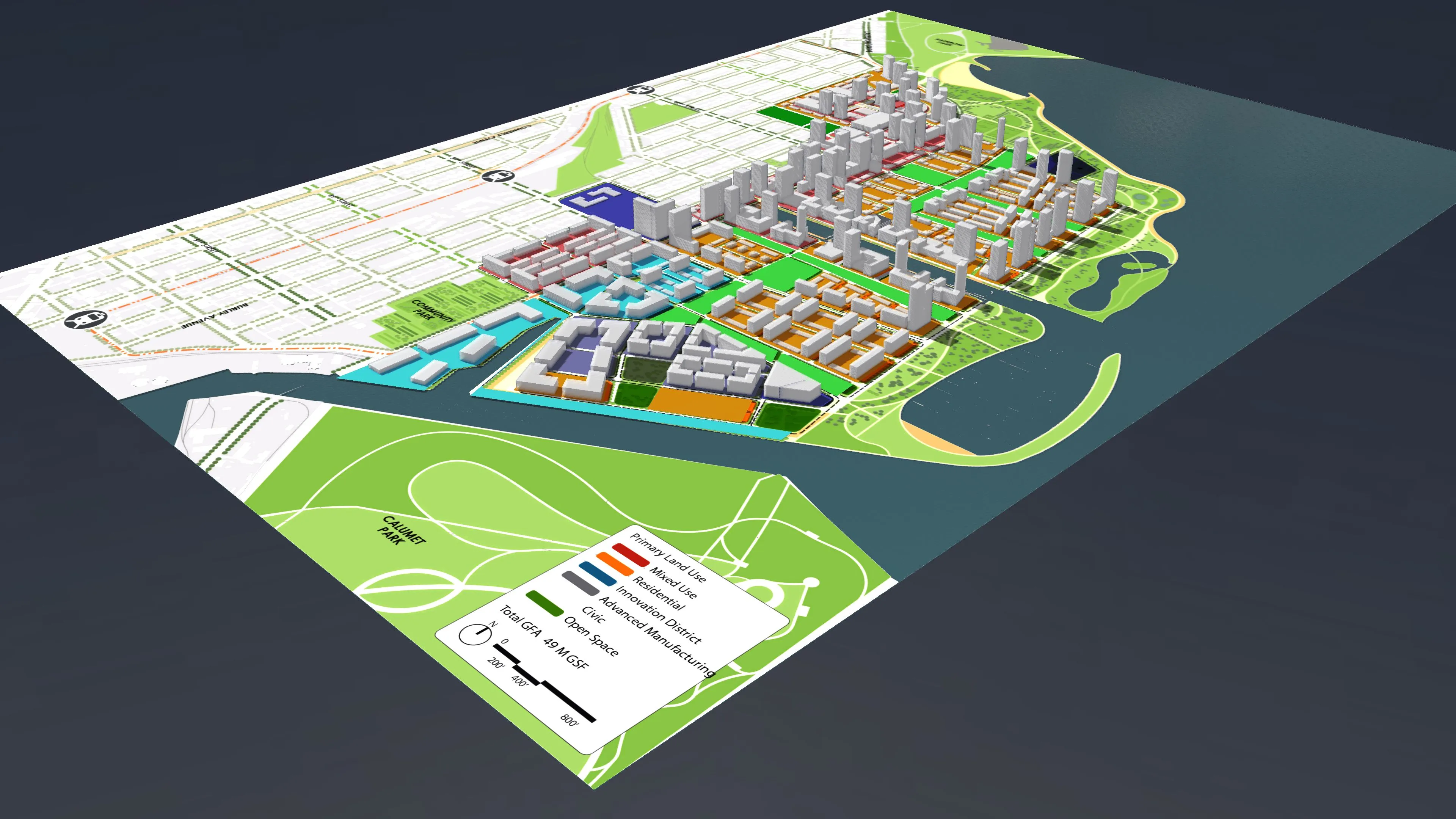
LakeSIM, my prototype framework with the University of Chicago and Argonne National Laboratory, was the most concrete test: a workflow that coupled industry-standard urban design tools with national-laboratory simulations and rendered the results back into the drawing the designer was working in. The test case was the proposed Chicago Lakeside Development; the ambition was a generalizable platform. What we learned is that the bottleneck is rarely computational; it is almost always semiotic. Models are illegible to most of the people who would need to act on them. The design layer is where the seam gets made or unmade.
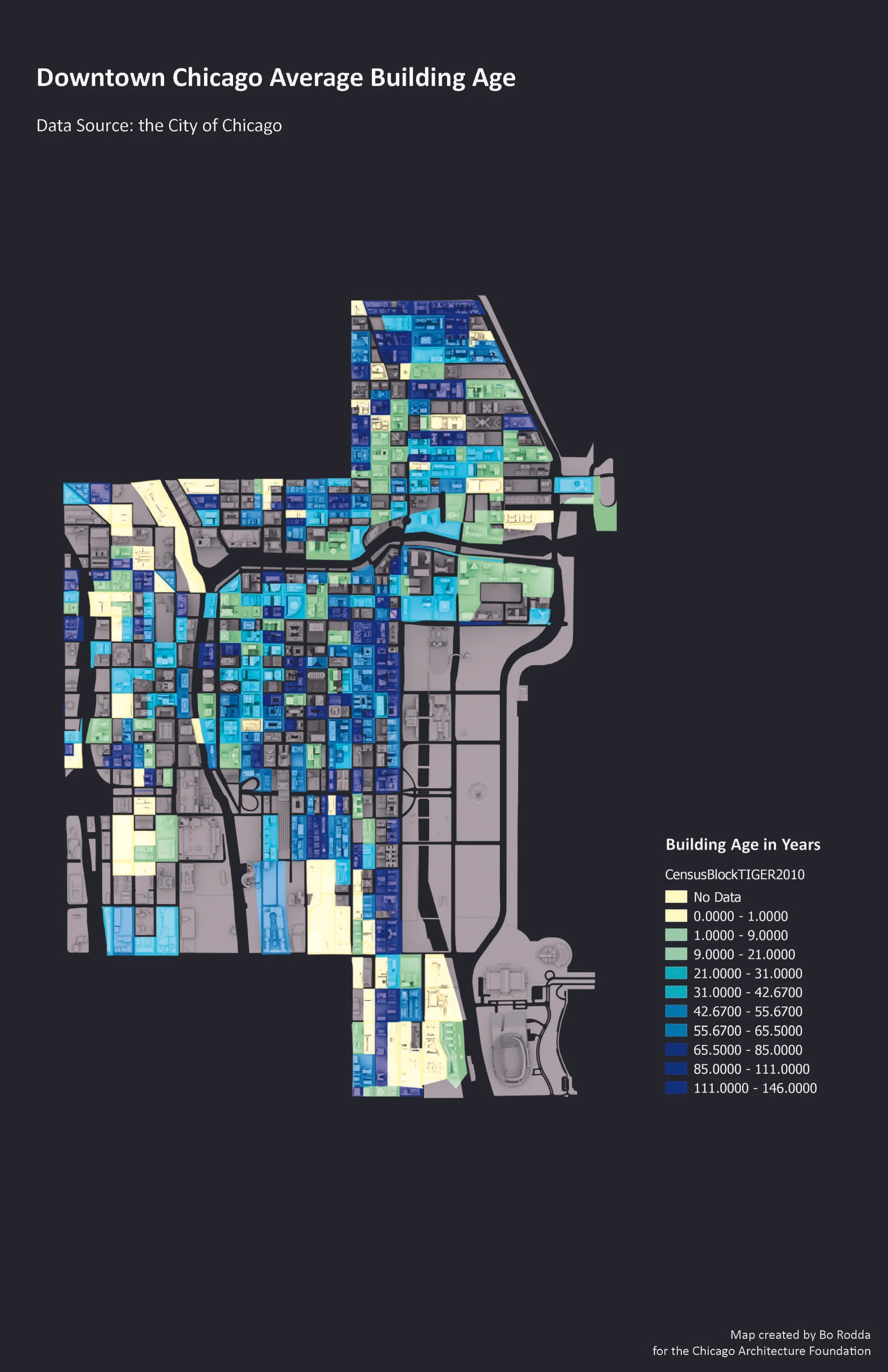
The strand also includes my work on the City of Big Data exhibition at the Chicago Architecture Foundation, the Array of Things public-engagement collaborations, and the IPRO Labs studios at Illinois Tech where graduate and undergraduate teams have produced more than a hundred industry-partnered urban-computing projects since 2018. Across all of it, the question is the same: how do we make the computational resources we have for understanding cities legible enough to be useful in actual design and policy decisions? It is, in the end, a question about media — about translation — as much as a question about data.