Visualization as Humanistic Medium
Visualization is a medium with its own history, conventions, and ethics — not merely a method for displaying analytic results. This strand treats it that way, and asks what kind of training the field needs as a consequence.
Visualization is most often treated as a method — a means to an analytic end. The chart is the byproduct of the analysis, not the substance of the work. This research strand pushes against that framing.
Visualization is a medium with its own history, conventions, and ethics. Like film, like photography, like printmaking, it has a vocabulary that has accreted over centuries — from Playfair’s first time-series to the contemporary dashboard — and that vocabulary shapes what readers can see, what arguments are admissible, and which decisions can be defended on its grounds. To work in visualization is to work inside that history. To make visualizations for others to read is to enter a tradition with weight.
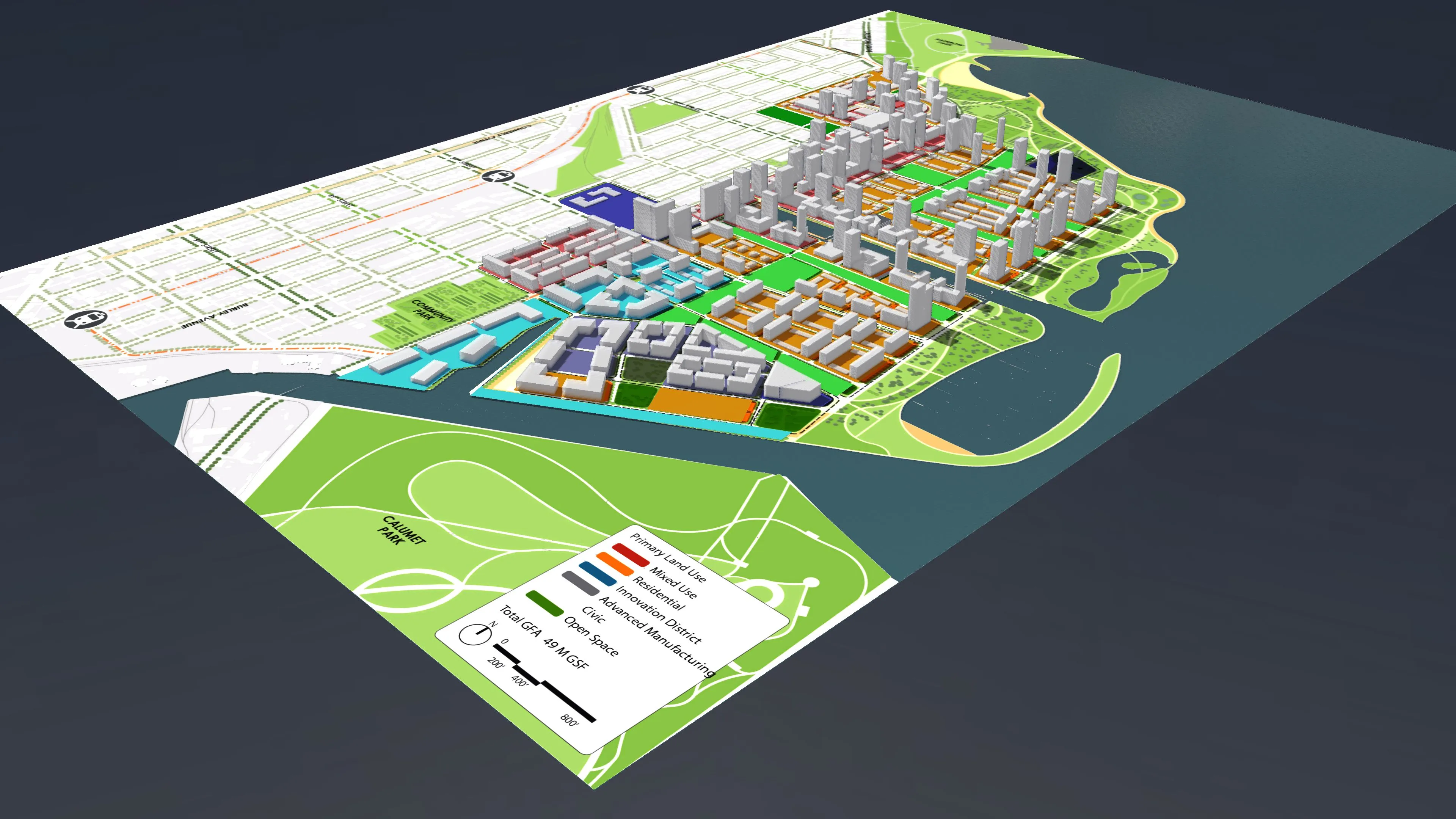
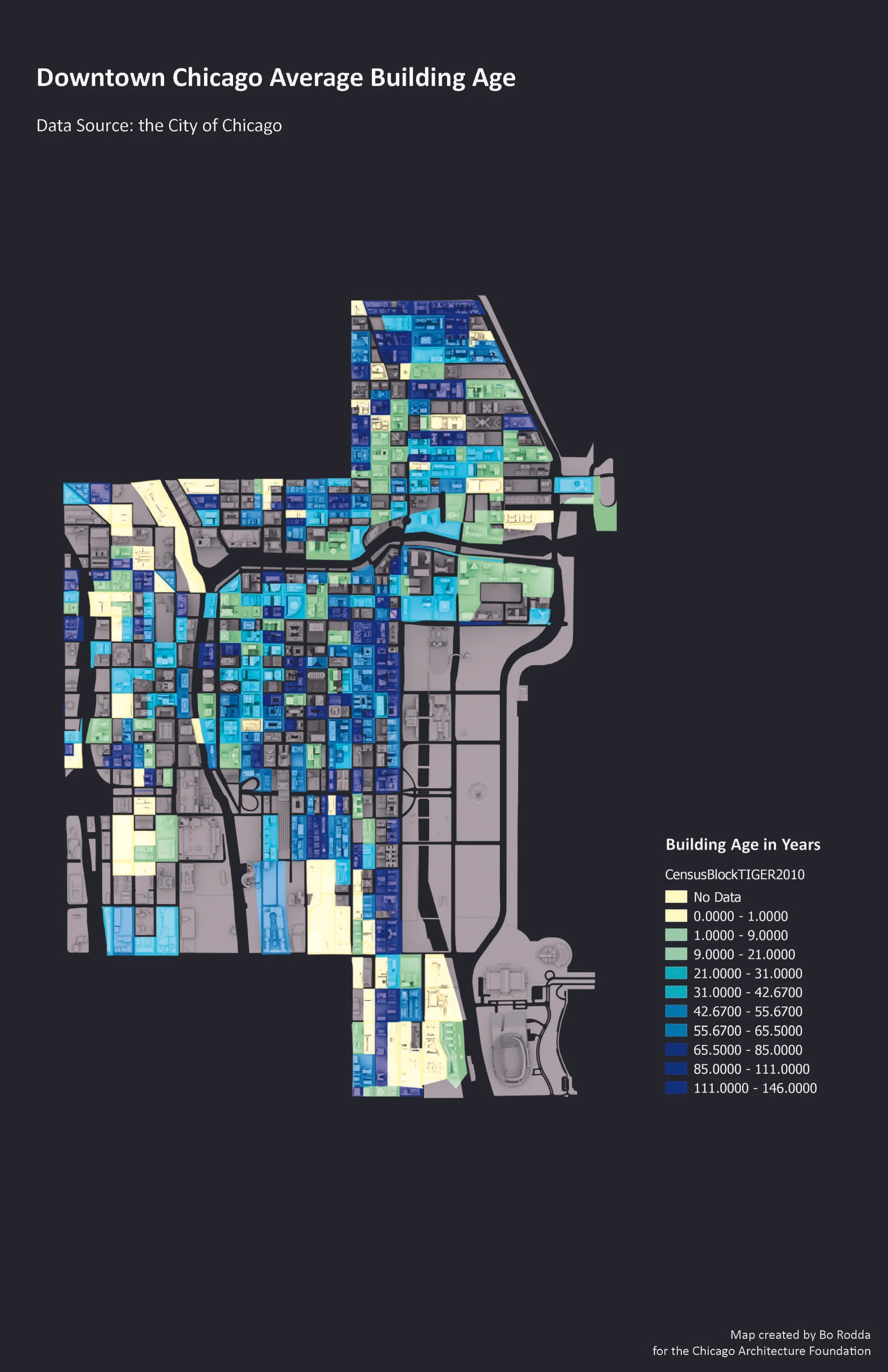
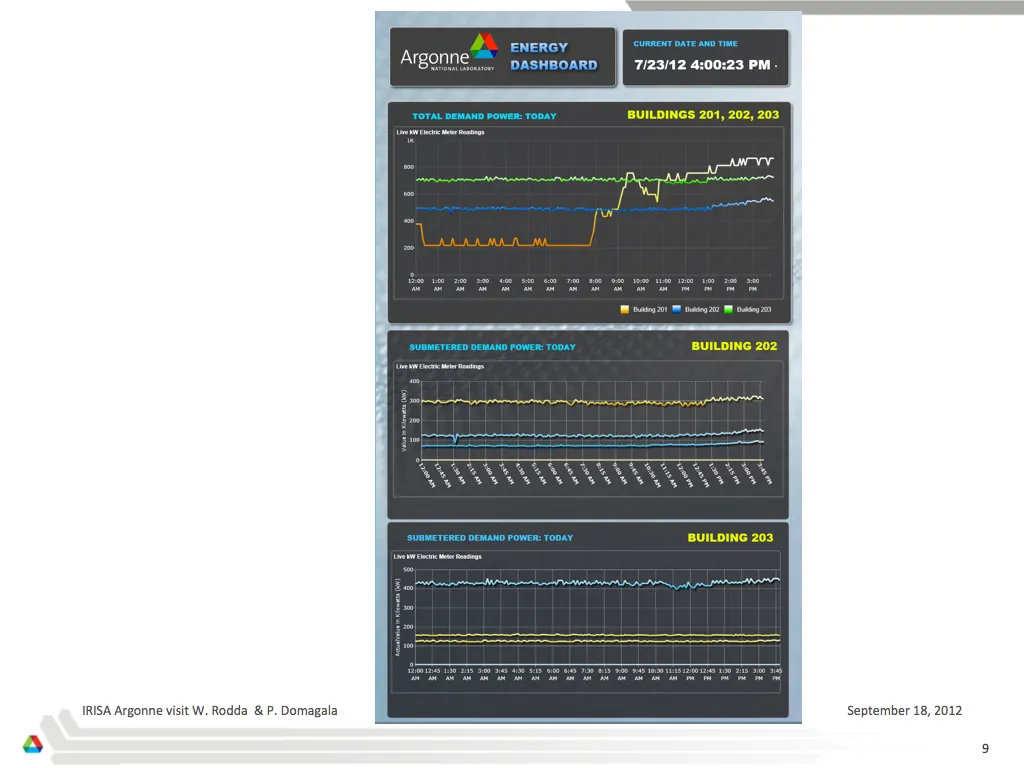
My work in this strand pursues two related questions. First, what does it look like for visualization to function not as decoration on an analytic claim but as the analytic claim itself — a primary medium of argument? LakeSIM, my prototype workflow framework with the University of Chicago and Argonne National Laboratory, was an early attempt to render computational models legible at urban scale not by translating them into prose but by giving designers and developers a visualization layer they could actually act on. The City of Big Data Maps series, produced for the Chicago Architecture Foundation, tested the same proposition at exhibition scale: what does a visualization read like when the body of the reader, not the cursor, becomes the instrument of inquiry?
Second, what kind of training does the field need? My Coursera course on data visualization and storytelling, with more than 266 enrollments, and the Art of Data Visualization studio I co-led across SAIC and Northwestern, take the position that the medium can be taught — but only as a medium, with attention to its history, its rhetorical conventions, and its limits.